Web scraping is a powerful technique for extracting data from websites. However, scraping projects can become unmanageable if not properly organized and maintained. In this article, we will explore how to build maintainable web scraping projects using Beautiful Soup, a Python library that simplifies this task.
Setting Up Your Environment
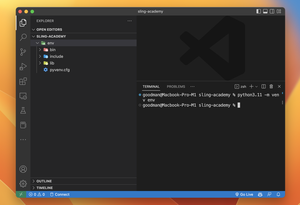
Before starting your project, ensure you have a well-organized development environment. First, install Beautiful Soup in your Python environment. You can do this using the following command:
pip install beautifulsoup4We also need a package like requests to handle HTTP requests:
pip install requestsWith these packages installed, create a directory structure to keep your project organized:
- project_name/ - the root of your project.
- scrapers/ - directory for scraper modules.
- data/ - directory for storing scraped data.
- utils.py - a module with utility functions.
Creating a Simple Scraper
Let's create a simple web scraper as an example. Suppose we have a page with several blog post titles, and we want to extract them.
First, let’s fetch the page using the requests library:
import requests
from bs4 import BeautifulSoup

url = "http://example.com/blog"
response = requests.get(url)

if response.status_code == 200:
    page_content = response.text
else:
    print(f"Failed to retrieve page: {response.status_code}")
Next, parse the page content using Beautiful Soup:
soup = BeautifulSoup(page_content, 'html.parser')

# Assume the titles are within h2 elements with a specific class
titles = soup.find_all('h2', class_='post-title')

for title in titles:
    print(title.text)
Efficient Web Scraping Techniques
As your project grows, it will become essential to implement techniques that enhance scraping efficiency and reliability. Here are some key considerations:
Handle Exceptions and Errors Gracefully
Web scraping can encounter numerous issues like connection problems, changes in the website structure, or bans due to an excess number of requests. It is vital to handle these gracefully:
try:
    response = requests.get(url)
    response.raise_for_status()  # Will raise an exception for HTTP errors
except requests.exceptions.RequestException as e:
    print(f"Error encountered: {e}")
Using Proxies and User Agents
To prevent your scraper from being blocked, you can rotate proxies and user agents:
proxies = {
    "http": "http://10.10.1.10:1080",
    "https": "http://10.10.1.10:1080",
}

# Use a dynamic list of user agents
headers = {
    "User-Agent": "Mozilla/5.0 (Windows NT 10.0; Win64; x64) AppleWebKit/537.36",
}

response = requests.get(url, headers=headers, proxies=proxies)
Writing Clean and Modular Code
Organize your code into functions and classes to make it more readable and maintainable. Avoid placing all code inside a single module:
def get_blog_titles(url):
    response = requests.get(url)
    soup = BeautifulSoup(response.text, 'html.parser')
    return [title.text for title in soup.find_all('h2', class_='post-title')]

if __name__ == "__main__":
    titles = get_blog_titles("http://example.com/blog")
    for title in titles:
        print(title)
Storing and Managing Data
Store your scraped data in structured formats like JSON, CSV, or databases for easy retrieval and analysis later:
import json

# Save titles to a JSON file
with open('data/blog_titles.json', 'w') as file:
    json.dump(titles, file, indent=4)
For larger datasets, consider using a database to store your data.
Conclusion
Building maintainable web scraping projects requires careful planning and uses best practices to manage complexity. With the help of Beautiful Soup and additional Python tools, you can build efficient and effective scrapers while ensuring your code remains clean, modular, and easy to maintain. Keep evolving your scraping strategies to tackle changing websites and data needs.