In recent years, automated testing has become an essential component of modern software development. One of the most powerful and versatile tools for end-to-end testing in the browser is Playwright, especially when coupled with Python's simplicity and power. This article will guide you through the process of creating end-to-end test pipelines using Playwright with Python. By the end, you'll have a comprehensive understanding of how to write tests that interact with a user interface, simulate user interactions, and automate various testing scenarios efficiently.
What is Playwright?
Playwright is an open-source framework for web testing and automation. It enables you to write, run, and debug tests with a robust API supporting multiple types of browsers such as Chrome, Firefox, and Safari. It's designed for powerful, reliable, and effective browser automation, making it an excellent choice for end-to-end testing.
Setting Up Your Python Environment
To get started with Playwright in Python, you need to set up a Python environment. Follow these steps:
- Ensure you have Python installed on your system (version 3.7 or above).
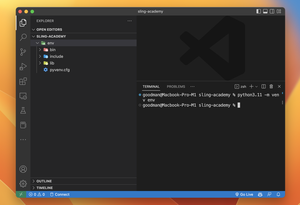
- Create a virtual environment for your project to manage dependencies:
python3 -m venv playwright-test-envActivate the virtual environment:
source playwright-test-env/bin/activate # On Windows use `playwright-test-env\Scripts\activate`Install the Playwright package along with Python support:
pip install playwrightInstalling Playwright Browsers
Once you have installed Playwright, you need to install the necessary browsers to begin testing.
python -m playwright installThis command downloads the browser engines Playwright will need to run your tests.
Writing Your First Test
To write tests with Playwright, you create Python scripts that use Playwright's API to control the browser. Let's write a simple test that opens a webpage and checks for its title.
from playwright.sync_api import sync_playwright

def test_example():
    with sync_playwright() as p:
        browser = p.chromium.launch()
        page = browser.new_page()
        page.goto('https://example.com')
        assert page.title() == "Example Domain"
        browser.close()

if __name__ == '__main__':
    test_example()
Here’s what this script does:
- Launches a Chromium browser instance.
- Navigates to "https://example.com".
- Asserts that the page title is "Example Domain".
- Closes the browser, cleaning up resources.
Automating Tests with a CI/CD Pipeline
Integrating Playwright tests in a Continuous Integration/Continuous Deployment (CI/CD) pipeline can be of tremendous benefit. It enables you to automatically execute your tests on each code change, ensuring application stability.
Let’s consider using GitHub Actions to automate our Playwright tests:
name: Playwright Tests

on:
  push:
    branches:
      - main
  pull_request:
    branches:
      - main

jobs:
  test:
    runs-on: ubuntu-latest

    strategy:
      matrix:
        python-version: [3.8, 3.9]

    steps:
    - uses: actions/checkout@v2
    - name: Set up Python ${{ matrix.python-version }}
      uses: actions/setup-python@v2
      with:
        python-version: ${{ matrix.python-version }}
    - name: Install dependencies
      run: |
        python -m pip install --upgrade pip
        pip install playwright
    - name: Install Playwright Browsers
      run: |
        python -m playwright install
    - name: Run Playwright tests
      run: |
        python -m pytest test_example.py
This workflow runs your Python Playwright tests on every push or pull request to the main branch, ensuring that any potentially breaking changes are caught early in the development cycle.
Conclusion
By leveraging Playwright with Python for end-to-end testing, you can automate interactive applications effectively and integrate seamlessly into your CI/CD pipeline. The flexibility and speed offered by Playwright make it an excellent choice for modern development practices involving large-scale applications where maintaining quality and performance is crucial.