Ensuring consistent functionality and appearance of a website or web application across different browsers is critical in providing a satisfactory user experience. With the multitude of browsers and devices available, cross-browser testing is a crucial step in the web development process. Playwright, developed by Microsoft, is an open-source framework that offers robust tools for automating browser tests written in Python. In this article, we will explore cross-browser testing strategies using Playwright and Python.
Introduction to Playwright
Playwright is a modern end-to-end testing framework that allows developers to automate tests for web applications across all modern browsers - including Chromium, WebKit, and Firefox. It's feature-rich, supporting multiple languages, including Python, JavaScript, and C#, which makes it a versatile choice for testers and developers alike. In Python, Playwright leverages the AsyncIO library, enabling asynchronous operations for faster test execution.
Setting Up Playwright with Python
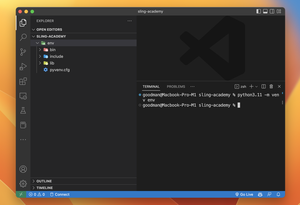
To begin using Playwright with Python, you first need to install Playwright and Python's dependencies. Here is how you can get started:
# Install necessary packages
$ pip install playwright

# Install browser binaries
$ playwright install
Once installed, you can start writing and executing tests.
Writing Your First Cross-Browser Test
Let’s look at how to write a simple test that works across different browsers. This example will navigate to a website and check if the title matches the expected text:
import asyncio
from playwright.async_api import async_playwright

async def run(playwright):
    # Launching browsers
    browsers = [playwright.chromium.launch(), playwright.firefox.launch(), playwright.webkit.launch()]

    for browser in browsers:
        browser_instance = await browser
        context = await browser_instance.new_context()
        page = await context.new_page()

        # Navigate to the webpage
        await page.goto('https://example.com')

        # Check the title
        title = await page.title()
        print(f"Title: {title}")

        # Clean up
        await browser_instance.close()

async def main():
    async with async_playwright() as playwright:
        await run(playwright)

# Run the asynchronous function
asyncio.run(main())
This script will open the example.com website in Chromium, Firefox, and WebKit, asserting the page title to validate delivery consistency across these browsers.
Parallel Testing for Efficiency
One of Playwright’s powerful capabilities is parallel test execution, which immensely reduces the total time required to run tests. By utilizing Python's built-in concurrency through the asyncio library, tests can run simultaneously:
import asyncio
from playwright.async_api import async_playwright

async def test_google(playwright, browser_type):
    browser = await browser_type.launch()
    context = await browser.new_context()
    page = await context.new_page()
    await page.goto('https://www.google.com')
    print(f"Testing in {browser_type.name}")
    await browser.close()

async def run_tests():
    async with async_playwright() as playwright:
        tasks = [
            test_google(playwright, playwright.chromium),
            test_google(playwright, playwright.firefox),
            test_google(playwright, playwright.webkit)
        ]
        await asyncio.gather(*tasks)

# Execute parallel tests
asyncio.run(run_tests())
This approach speeds up testing as different browser tests execute concurrently.
Creating Automated Testing Pipelines
Integrating Playwright tests into a CI/CD pipeline is key for automating quality assurance. By scheduling these automated tests on every code commit or release, it’s possible to catch cross-browser compatibility issues before they become user-facing. You can set up tools like Jenkins or GitHub Actions to automate the running of scripts. Here's a basic GitHub Actions workflow file:
name: Playwright Tests

on:
  push:
    branches: [ main ]

jobs:
  test:
    runs-on: ubuntu-latest
    steps:
    - uses: actions/checkout@v2

    - name: Set up Python
      uses: actions/setup-python@v2
      with:
        python-version: '3.x'

    - name: Install dependencies
      run: |
        python -m pip install --upgrade pip
        pip install playwright
        playwright install

    - name: Run tests
      run: python your_test_script.py
With the workflow file in place, your tests will execute automatically each time you push changes to your main branch, ensuring that any issues across different browsers are caught and addressed quickly.
Conclusion
Cross-browser testing with Playwright and Python provides a reliable, efficient way to ensure web applications function correctly across varied environments. By leveraging Playwright’s powerful API, developers and testers can automate tests across browsers and setup parallel testing infrastructures for greater efficiency. Integrating these tests into a CI/CD pipeline can further streamline the testing process, catching issues early in the development cycle.