Beautiful Soup is a popular Python library used for scraping web data by parsing HTML and XML documents. However, like any other library, it can sometimes lead to challenges that require debugging and troubleshooting. This article provides a guide to help you address common problems encountered while working with Beautiful Soup.
Understanding Beautiful Soup Errors
Understanding the common errors and how to handle them is crucial. Here are a few:
Installation Errors
One of the first issues users experience is with the installation. To install Beautiful Soup, you typically use:
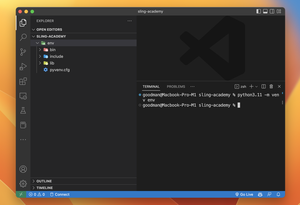
pip install beautifulsoup4If you encounter ImportError, it may indicate the library was not installed successfully. Ensure your environment is correctly set up, possibly using a virtual environment:
python -m venv env
source env/bin/activate # On Windows use `env\Scripts\activate`
pip install beautifulsoup4
Parsing Errors
While parsing an HTML document, you might get soup object creation errors. Consider this example:
from bs4 import BeautifulSoup
html_doc = "<html><head><title>The Dormouse's story</title></head><body><p>Content</p></body></html>"
soup = BeautifulSoup(html_doc, 'html.parser')
If you're using an incompatible parser, such as 'lxml' without having it installed, you may face issues like:
from bs4 import BeautifulSoup
soup = BeautifulSoup(html_doc, "lxml")  # Ensure to have `lxml` installed via `pip install lxml`
Ensure the parser specified (html.parser, lxml, lxml-xml, html5lib) is installed and fits your needs.
Debugging Techniques
Effective methods to debug Beautiful Soup code:
Validating HTML
Before parsing, make sure your HTML is well-formed. Beautiful Soup can handle imperfect HTML, but starting with a valid markup prevents later hurdles. Online tools like W3C Validator can help you clean up your HTML.
Using Print Statements
Inserting print statements is a traditional and effective method. Consider this when inspecting what your code retrieves from specific elements:
soup = BeautifulSoup(html_doc, 'html.parser')
print(soup.prettify())  # Helps identify the structure
Troubleshooting Common Issues
Erroneous Data Extraction
If you're extracting wrong data, double-check your selectors. Make sure your CSS selectors or tag names match those in your target HTML document:
data = soup.find_all('p')  # Check your tag names and attributes
for tag in data:
    print(tag.get_text())
Connection Errors
Beautiful Soup alone doesn't handle HTTP requests, so it's paired with libraries like requests. If fetching URL-facing issues, examine your network connection or URL validity:
import requests
try:
    response = requests.get('http://example.com')
    if response.ok:
        soup = BeautifulSoup(response.text, 'html.parser')
except requests.exceptions.RequestException as e:
    print(e)
This code helps diagnose connectivity issues by printing exception messages.
Handling Large HTML Documents
With extensive HTML files, parsing might take more time and pose memory issues:
- Consider processing data in chunks.
- Explore alternative parsing methods or limit your extraction scope.
Conclusion
While Beautiful Soup makes web scraping accessible, conflicts and errors are inevitable. By understanding installation, parsing, and data extraction challenges, users can take systematic steps to troubleshoot. Armed with this information, you'll keep your parsing projects efficient and effective.