Web scraping is a powerful tool that can help you extract meaningful data from websites. When combined with Django, a popular high-level Python web framework, and Scrapy, a robust web scraping library, you can develop a comprehensive platform for data extraction tasks. In this article, we'll walk through the process of setting up a web scraping platform using these technologies. Whether you’re a seasoned developer or a beginner in web scraping, this guide will provide you with the steps needed to create a scalable and efficient solution.
Setting up the Environment
Before we dive into building the platform, make sure you have Python installed on your machine. You can verify this by running the following command in your terminal:
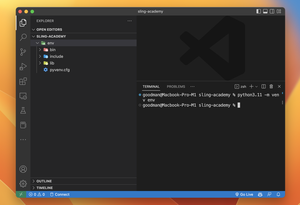
python --versionIf you need to install Python, download it from the official Python website. Once Python is ready, let's create a virtual environment to keep our dependencies organized:
python -m venv myenv
source myenv/bin/activate  # On Windows use `myenv\Scripts\activate`
Installing Django and Scrapy
With your virtual environment activated, you can proceed to install Django and Scrapy. These are the core technologies we will leverage to build our platform:
pip install django scrapyOnce both packages are installed, create a new Django project:
django-admin startproject mywebscraperCreating a Django App for Data Management
Inside your Django project, create a new app where we will manage scraped data:
cd mywebscraper
django-admin startapp scraper
Add this app to your INSTALLED_APPS in settings.py:
# mywebscraper/settings.py
INSTALLED_APPS = [
    'django.contrib.admin',
    'django.contrib.auth',
    'django.contrib.contenttypes',
    'django.contrib.sessions',
    'django.contrib.messages',
    'django.contrib.staticfiles',
    'scraper',
]
Designing the Scrapy Spider
Next, navigate outside of your Django project and create a Scrapy project:
cd ..
scrapy startproject myscraper
This will create a directory structure specifically geared for Scrapy. In myscraper/spiders, create a new file called example_spider.py. Here you will define your scraping logic:
# myscraper/spiders/example_spider.py
import scrapy

class ExampleSpider(scrapy.Spider):
    name = "example"
    start_urls = [
        'http://example.com',
    ]

    def parse(self, response):
        for title in response.css('title'):
            yield {'title': title.get()}
Linking Scrapy with Django
Although Django and Scrapy are separate entities, you can run a scrapy crawler from within a Django view to enable integration. Consider this example view handler:
# scraper/views.py
from django.shortcuts import render
from scrapy.crawler import CrawlerProcess
from myscraper.spiders.example_spider import ExampleSpider

# Create a simple function to run the Scrapy spider
def run_spider(request):
    process = CrawlerProcess()
    process.crawl(ExampleSpider)
    process.start()
    return render(request, 'scraper/index.html')
Important: You might need to configure Django settings before running Scrapy, depending on how you set up your project. Consider using Django ORM to manage and store your crawled data.
Deploying and Scaling
As your application grows, consider deploying it with reliable services like Heroku, AWS, or Google Cloud Platform to handle higher loads. Use a task queue such as Celery for timed scraping jobs and a database like PostgreSQL to store large datasets efficiently.
By following these steps, you can set up your web scraping platform using Django and Scrapy. Customize spiders to extract values according to your project's needs and leverage Django’s powerful database capabilities to organize, access, and use your data effectively. Happy scraping!