In the fast-evolving world of cryptocurrency trading, executing orders efficiently and effectively is critical. The ccxt (CryptoCurrency eXchange Trading Library) is a popular tool for accessing the APIs of numerous cryptocurrency exchanges. This article delves into executing three types of orders — market, limit, and stop-loss — using ccxt, providing a comprehensive guide to trading using these strategies.
Introduction to ccxt
ccxt is a JavaScript / Python / PHP cryptocurrency exchange trading library aimed at connecting to multiple markets and automated trading. It supports over a hundred cryptocurrencies exchanges and allows you to access market data, manage accounts, and execute trades.
Setting Up ccxt
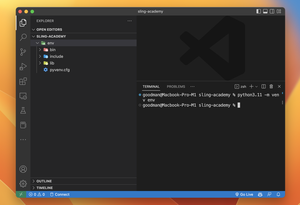
Before diving into different order types, you'll first need to set up ccxt. Installing ccxt is straightforward and can be done using pip for Python users:
pip install ccxtOnce ccxt is installed, you can start executing trades through the supported exchanges with just a few lines of code. Here’s how to initialize the binance exchange:
import ccxt
	exchange = ccxt.binance({
	    'apiKey': 'YOUR_API_KEY',
	    'secret': 'YOUR_SECRET_KEY',
	})
Executing Market Orders
A market order is executed immediately at the current market price. This type of order does not guarantee the price at which the order will be filled. To create a market buy order for Bitcoin with ccxt:
order = exchange.create_market_buy_order('BTC/USDT', 1)
print(order)
Executing a market sell order is just as easy. Suppose you want to sell 0.5 BTC at the current market rate:
order = exchange.create_market_sell_order('BTC/USDT', 0.5)
print(order)
Executing Limit Orders
Limit orders allow you to buy or sell at a specified price or better but may not be executed immediately when your specified price isn't reached. This is particularly effective for traders who wish to enter or exit the market at a specific price. Here's how to place a limit buy order:
order = exchange.create_limit_buy_order('BTC/USDT', 1, 20000)  # Buy 1 BTC at $20,000
print(order)
Similarly, for a limit sell order:
order = exchange.create_limit_sell_order('BTC/USDT', 1, 25000)  # Sell 1 BTC at $25,000
print(order)
Setting Up Stop-Loss Orders
Stop-loss orders help protect your investments by limiting potential losses due to unfavorable market movements. Such orders can be tricky to implement as they sometimes require a combination of stop and market orders. Here's a basic example of setting a stop-loss order by combining orders:
# You may need to check if the exchange supports stop orders
params = {'stopPrice': 18000}  # Specify stop price
order = exchange.create_market_sell_order('BTC/USDT', 1, params)
print(order)
Note that not all exchanges support stop orders directly, and alternative strategies such as maintaining a monitoring service for executing the order only after a price hits the threshold should be considered.
Conclusion
Understanding and implementing different order types is crucial for any cryptocurrency trader. The ccxt library simplifies trading through multiple exchanges, allowing you to efficiently manage market, limit, and stop-loss orders by using straightforward code. By practicing these commands and integrating them into your automated strategies, you can trade more securely and optimize your portfolio outcomes.