Selenium is a powerful tool for controlling web browsers through programs and performing browser automation. In this guide, we'll focus on using Selenium with Python to automate browser tasks. This can be a valuable skill for web scraping, testing, and other web-related workflows.
Setting Up Your Environment
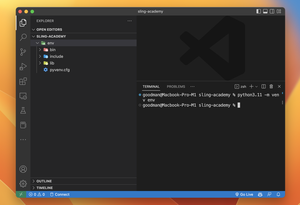
Before you begin using Selenium with Python, you need to set up your environment. Here’s how:
1. Install Python
If you haven’t installed Python yet, you can download it from the official website. Follow the installation guide to set it up on your machine.
2. Install pip
pip is Python's package manager and is typically included with Python installations. You can check if you have pip installed by running the following command in your terminal:
pip --version3. Install Selenium
Once you have Python and pip ready, you can install Selenium using pip:
pip install selenium4. Download WebDriver
Selenium WebDriver interacts with the web browser for you. It requires browser-specific driver software. For example, if you are using Google Chrome, you'll need to install ChromeDriver. You can download it from ChromeDriver's official site.
Your First Selenium Script
Let’s create a basic script to open a web page and perform an action. Here’s a simple Python script:
from selenium import webdriver

# Set the path to the chromedriver executable
driver = webdriver.Chrome(executable_path='path/to/chromedriver')

# Open a website
driver.get('http://www.google.com')

# Find an element via its name attribute value
search_box = driver.find_element_by_name('q')

# Type something in the search box
search_box.send_keys('Selenium Python')

# Submit the search
search_box.submit()

# Wait for a while to let the page load
import time

# Wait 5 seconds
time.sleep(5)

# Close the browser
driver.quit()
Understanding the Code
This script uses Selenium's WebDriver API to open the Google homepage, find the search box using the name selector, type 'Selenium Python', and submit the query. Here’s a breakdown of the key functions:
webdriver.Chrome: This initializes the Selenium WebDriver with the Chrome browser.get(url): Opens the specified URL in the browser.find_element_by_name('q'): Finds an HTML element with the given attribute.send_keys(): Simulates typing into an element.submit(): Submits a form element.quit(): Closes the browser window.
Troubleshooting
While using Selenium, you might face a few common issues. Here are some tips to help you troubleshoot:
- Driver not found: Ensure the driver executable is in your PATH or provide the full path to the driver in your script.
- Version mismatch: If you encounter issues, check that your version of Selenium matches the version of your browser and WebDriver.
- Element not interactable: Make sure the element you're trying to interact with is visible when you attempt to interact with it.
Expanding Your Knowledge
Selenium is just a tool in your automation toolbox. Consider learning more about Python unit testing frameworks, such as PyTest or unittest, to expand your automation knowledge. Understanding XPath, CSS selectors, and JavaScript can also greatly enhance what you can achieve with Selenium.
With these basics in mind, you're ready to explore more advanced features of Selenium and create more sophisticated automation scripts. Whether for testing or web scraping, Selenium opens up many possibilities in browser automation.