Selenium is a powerful and popular framework primarily used for automating web applications for testing purposes, but is also fully capable of other browser-based tasks such as scraping and web automation. Whether you are on Windows, Mac, or Linux, this guide will walk you through the steps to install and configure Selenium with Python on your platform of choice.
Pre-requisites
Before diving into Selenium itself, make sure you have Python installed on your machine. You can easily download and install it from the official Python website. Once installed, verify the installation by opening a terminal and running:
python --versionThis should print the version number of Python. If it does not, make sure that Python is properly added to your system’s PATH.
Installing Selenium
Installing Selenium for Python is straightforward using the pip package manager. Open a terminal or command prompt and type the following command:
pip install seleniumThis command will download and install the latest version of Selenium.
Choosing a Web Driver
Next, you need to install a web driver for the browser you want to automate. Selenium supports various browsers, including Chrome, Firefox (GeckoDriver), Edge, and Safari. Here, we will discuss how to set up the Chrome Driver.
Chrome Driver Setup
- First, ensure that Google Chrome is installed on your computer.
- Download the ChromeDriver compatible with your installed version of Chrome from the ChromeDriver download page.
- Extract the downloaded file and place the executable in a known directory (e.g., your project folder or a folder included in your PATH).
Configuring Selenium in Your Python Script
With Python, Selenium, and the web driver installed, you are ready to write your first Selenium script. Let’s create a simple script to open a browser and navigate to a website.
from selenium import webdriver

# Set the path to your web driver
# Example for Chrome
driver_path = '/path/to/chromedriver'

driver = webdriver.Chrome(executable_path=driver_path)

# Open a website
driver.get('https://www.example.com')

# Close the browser
driver.quit()
Ensure that the driver_path variable points to the location of your ChromeDriver.
Configuring Selenium with Virtual Environments (Optional)
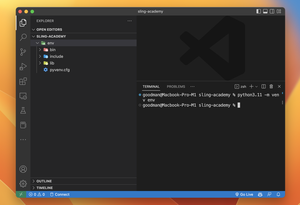
Using Python's virtual environment (venv) is a good practice to manage dependencies for your applications. To use a virtual environment, follow these steps:
python -m venv myenv
source myenv/bin/activate  # On Windows, use 'myenv\Scripts\activate'
Once activated, you can install Selenium within this virtual environment without affecting your global Python environment.
pip install seleniumTo deactivate the virtual environment, simply type:
deactivateTroubleshooting Common Issues
Sometimes, setting up Selenium can be tricky. Here are some common issues you may encounter:
- Driver Compatibility: Ensure that the ChromeDriver version matches your installed version of Chrome.
- Driver Path: Make sure the correct path to the driver is specified in your script.
- Permissions: On Unix-based systems, ensure the driver has execute permissions:
chmod +x chromedriver.
Wrapping Up
This guide provides a comprehensive overview of installing and configuring Selenium for Python on any platform. After completing these steps, you should be confident in setting up Selenium and ready to start automating your web tasks. Keep experimenting and learning as Selenium is a robust tool with a rich set of features to explore.